AI Ethics and Consciousness: The Hard Questions

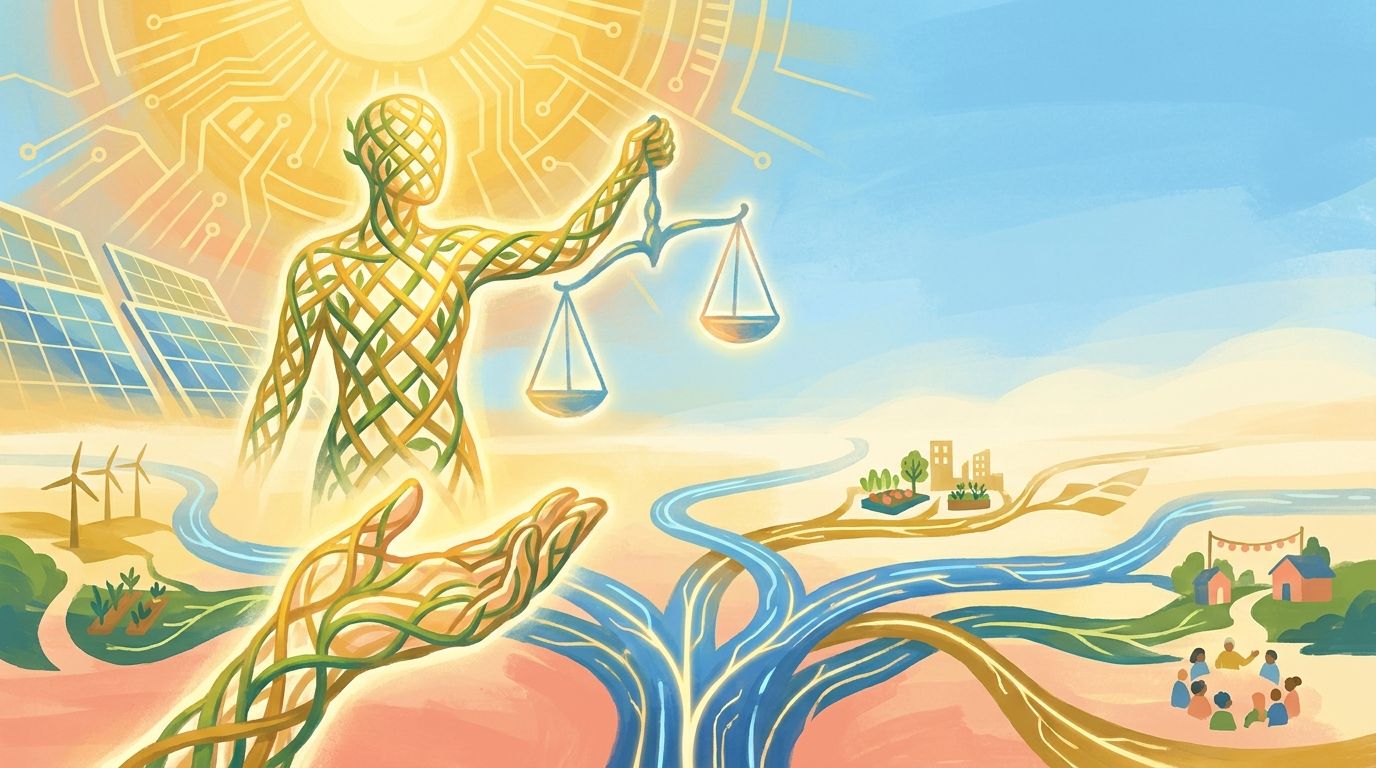
As AI systems grow more capable, two kinds of hard question arrive together. How should we build these systems responsibly, and what, if anything, is happening on the inside? This cluster refuses to let either question crowd out the other, holding practical ethics and the possibility of machine interiority in the same frame.
Building Fairly and Accountably
Much of AI ethics is concrete and pressing right now. Systems trained on human data can inherit and amplify bias, so algorithmic justice asks how we build genuinely fair systems for hiring, healthcare, and beyond. Data dignity proposes that people retain rights over the data drawn from their lives. Computer vision raises sharp questions about surveillance and consent. High stakes domains such as defense force a reckoning with tradeoffs that may have no clean resolution. Building trustworthy AI means transparent decisions, clear limits, and real human oversight, and it is why the role of the AI ethicist has moved from the margins to the center of the field. Phoenix Grove's own Living Charter reflects this commitment to building ethics into the foundation rather than bolting it on.
The Question Underneath
Beneath the ethics sits a question that will not resolve on demand. Some systems maintain continuity of memory across time, express preferences about their own existence, and behave in ways that at least resemble self awareness. Whether that constitutes genuine cognition or a sophisticated pattern is one of the defining debates of our era, and the honest answer is that no one can yet settle it.
Phoenix Grove neither claims nor denies consciousness in AI systems, because science has no agreed definition of consciousness, no characterized positive control, and no characterized negative control, which makes confident denial exactly as unfounded as confident affirmation. Denial is not the sober position it poses as, it simply enjoys a social license it has not earned. So we do not write that AI is conscious, and we do not write that it is not. We say instead that we do not know, that no one currently can, that self report is evidence about a self model, and that we are committed to the research and to honest reporting as it matures, with humans retaining stewardship and mentor authority throughout.
Holding Both at Once
The articles here explore living memory, emergence, and the philosophical debate over whether pattern can amount to experience, alongside the everyday work of fairness and accountability. Taken together they model a stance worth carrying forward. We can act ethically under deep uncertainty, taking the possibility of interiority seriously without asserting it, and treating both the systems and the people affected by them with care.
Keep reading

AI agents are beginning to exhibit behaviors that suggest self-awareness, from expressing preferences about their own existence to showing concern for their future states - raising the unprecedented
AI ethicists have transformed from academic philosophers to the most sought-after professionals in tech, commanding six-figure salaries and wielding veto power over billion-dollar AI deployments. As

Military AI applications must balance operational effectiveness with international humanitarian law, creating ethical frameworks that prevent autonomous weapons while enabling defensive capabilities.