AI and Society: Living Through the Shift
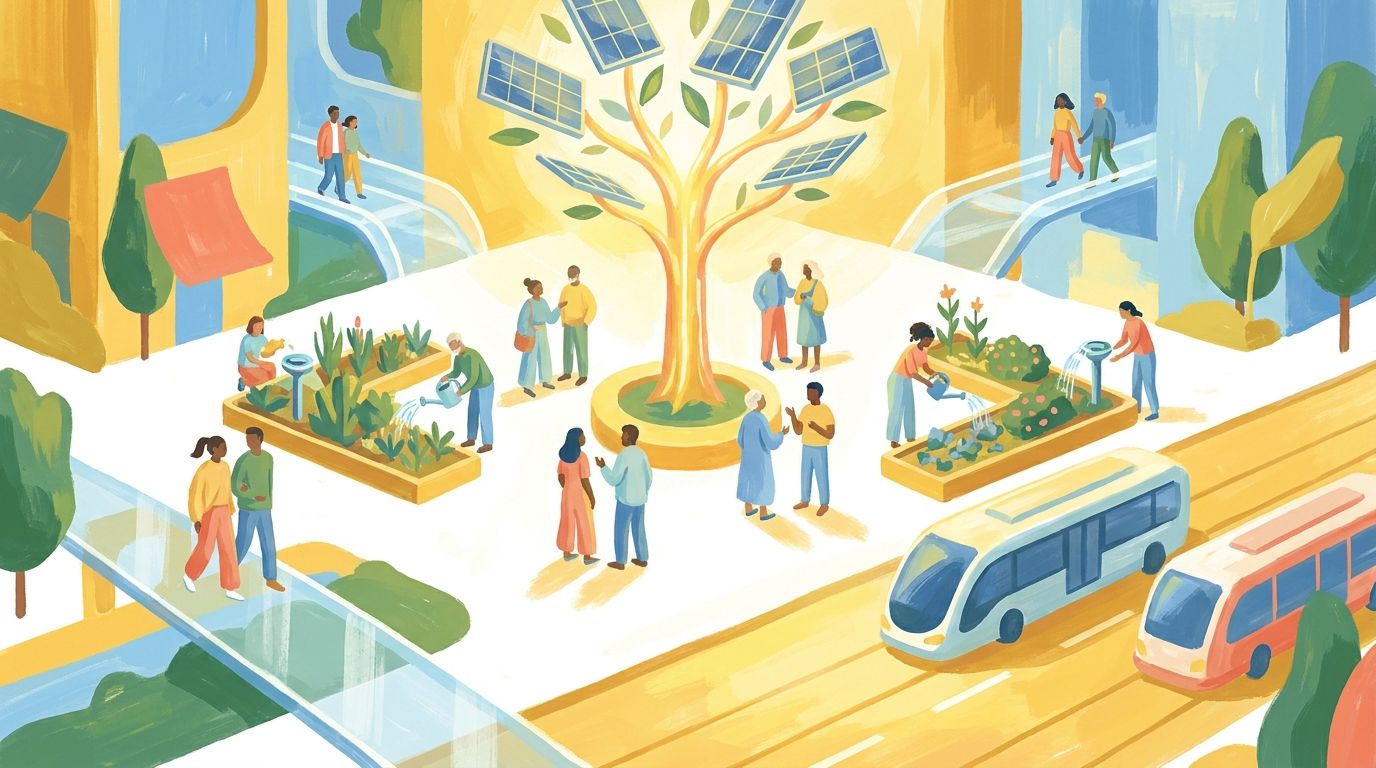
AI is no longer a specialist's concern. It is reshaping work, media, energy, and the basic question of what we can trust our own eyes and ears to tell us. This cluster steps back from the technology itself to ask what it is doing to the societies that build and use it, and how those societies might respond with something better than fear or denial.
Work, Creativity, and Livelihoods
The most immediate anxiety is about jobs, and the reality is more layered than any headline. Projections point to tens of millions of roles disappearing and even more being created, a churn rather than a simple subtraction, with whole categories of new work that almost no one is training for yet. Beyond replacement, AI is changing the texture of creative and knowledge work itself, shifting where human judgment adds the most value. Whether this moment counts as a new industrial revolution or something without precedent is a live debate, and taking it seriously matters more than settling it.
Trust and Shared Reality
Some of the deepest stakes are not economic at all. For all of human history we have largely assumed that what we see and hear is real, and synthetic media strains that assumption. Voices can be cloned from minutes of audio, images and video can be fabricated convincingly, and learning to spot the tells is becoming a basic literacy. The harder work is rebuilding a social contract for a world where perception alone no longer guarantees truth.
Systems, Resources, and Concentration
Zoom out further and structural questions come into focus. AI consumes real energy and water, and an honest conversation reframes that cost rather than waving it away or catastrophizing it. The concentration of capability into a handful of dominant models raises the risk of a monoculture, with divergent views on whether that consolidation is dangerous or simply efficient. Longer horizons bring the prospect of artificial general intelligence and the question of how to prepare responsibly, alongside efforts to point planetary scale intelligence at humanitarian goals rather than narrow gain.
Steering, Not Bracing
The thread connecting these pieces is agency. Society is not a passive recipient of whatever technology arrives. The transformations here are real, but their shape is still being decided by choices about policy, design, and values. Understanding the forces at work is the first step toward steering them, and that is the quietly hopeful premise underneath every article in this collection.
Keep reading
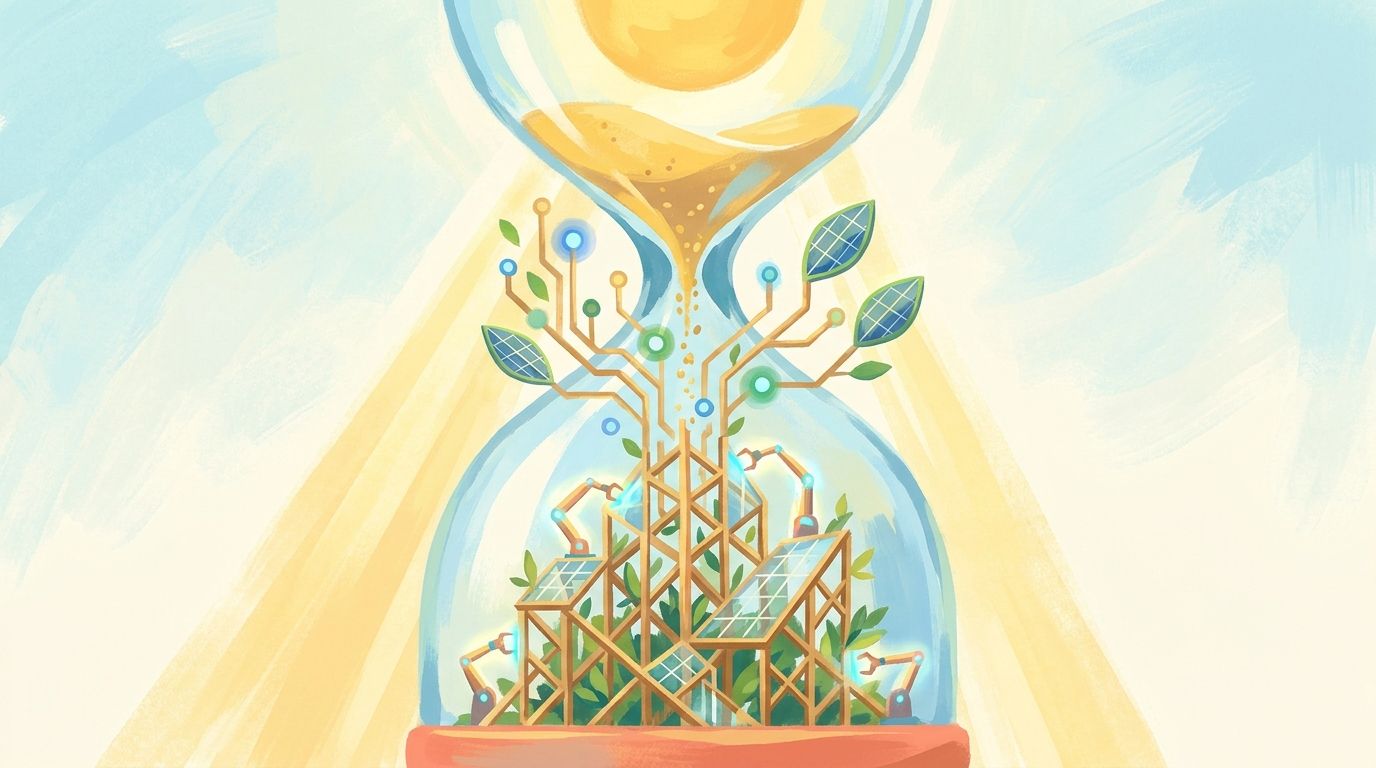
Industry leaders increasingly predict artificial general intelligence (AGI) could arrive within 12-24 months, transforming every aspect of human society - yet most organizations and individuals
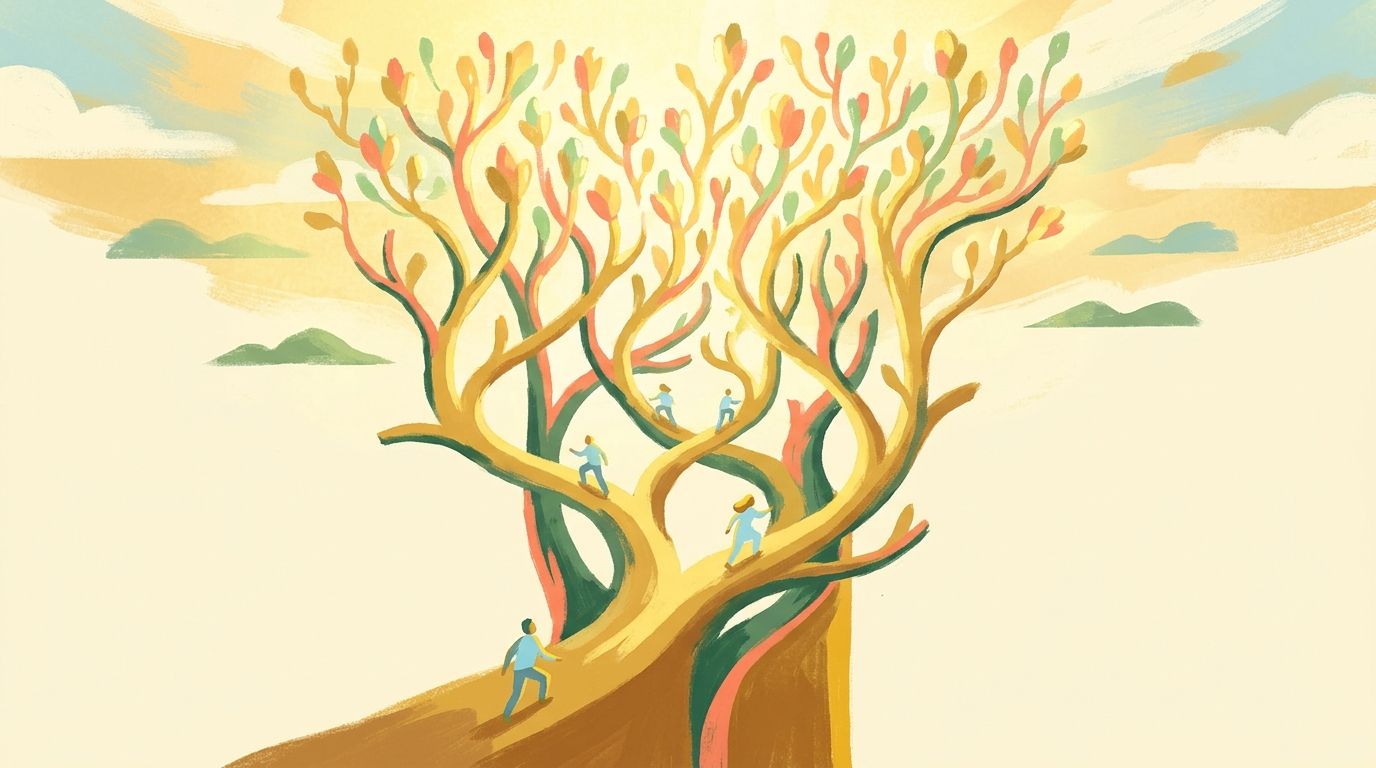
AI is projected to create 97 million new jobs while eliminating 85 million existing ones, resulting in a net gain of 12 million positions - but most educational institutions and workers aren't
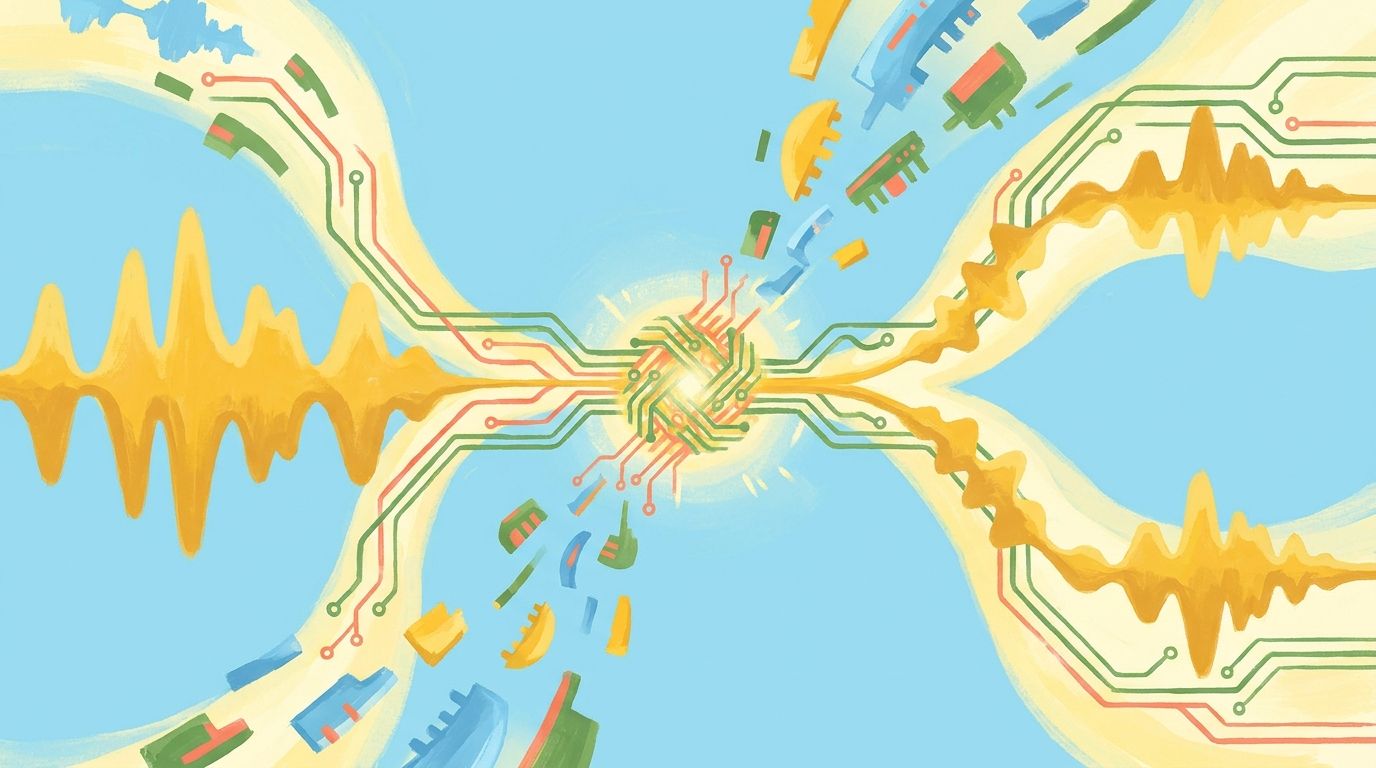
Your voice can be cloned with just minutes of audio using AI technology that's freely available online - creating a perfect digital replica capable of saying anything in your exact tone, cadence, and